Why Pet Dental Cleaning Matters for Your Dog or Cat

Why Pet Dental Cleaning Matters for Your Dog or Cat
Every pet parent wants their dog or cat to be happy, healthy, and full of life. Yet, one crucial aspect of your pet’s overall health is sometimes overlooked: their dental care. At Singleton Avenue Animal Hospital in Titusville, FL, we believe that regular pet dental cleaning is more than just a way to freshen breath; it is a foundation for your pet’s lifelong wellness. Whether your furry companion is young and playful or entering their golden years, understanding why dental cleanings matter and what to expect during a dental visit can make a tremendous difference in their quality of life.
In this blog, we will explore the warning signs of dental problems in dogs and cats, explain why dental disease develops, discuss what a pet dental cleaning involves, and offer practical advice for at-home care. We will also help you recognize when it is time to schedule a professional cleaning with our veterinary team. If you are searching for a trusted provider of pet dental cleaning in Titusville and surrounding communities, our compassionate veterinary professionals are here to help you keep those tails wagging and whiskers twitching with confidence. For more details about our approach, you can also visit our page on dental cleaning services for pets.
Recognizing Signs Your Pet Needs a Dental Cleaning
It is not always easy to spot dental issues in your pet, especially since dogs and cats are experts at hiding discomfort. However, several signs can indicate your pet may benefit from a dental evaluation and cleaning. Bad breath is often the first clue; while it is common for pets to have some odor, persistent or foul-smelling breath may point to underlying dental disease. Additional signs to watch for include red or swollen gums, visible tartar buildup on the teeth, pawing at the mouth, reluctance to eat hard food, and drooling more than usual. Some pets may even experience bleeding from the gums or notice loosening teeth.
Behavioral changes can also provide important clues. If your usually playful dog becomes withdrawn, or your cat suddenly prefers soft treats over their usual kibble, dental discomfort could be the culprit. In severe cases, pets may shy away from petting near their face or show signs of pain when yawning or eating. By paying attention to these subtle and not-so-subtle changes, you can intervene early and prevent more serious dental complications.
Understanding Why Dental Disease Develops in Pets
Dental disease in pets often begins quietly, with plaque accumulating on the teeth after meals. Plaque, a sticky film of bacteria, can harden into tartar within just a few days if not removed through brushing or professional cleaning. This tartar, if left untreated, creates an environment where bacteria thrive, leading to inflammation of the gums—a condition known as gingivitis. Over time, this process can progress to periodontal disease, which affects the tissues that anchor the teeth and can result in tooth loss or even infection spreading to other organs.
Several factors contribute to the development of dental disease in dogs and cats. Age is a significant consideration; as pets get older, their risk for dental issues increases. Breed also plays a role, with smaller dog breeds and certain cats being more prone to dental concerns. Diet, home care practices, and even genetics can impact how quickly dental problems develop. In Florida’s warm, humid climate, bacteria can flourish even more rapidly, making regular dental care essential for pets in Titusville and surrounding areas.
What Happens During a Professional Pet Dental Cleaning
A professional pet dental cleaning at Singleton Avenue Animal Hospital is a thorough process designed to address both visible and hidden dental issues. When you schedule your pet’s dental cleaning with our veterinary professionals, your pet will first receive a comprehensive physical examination and pre-anesthetic bloodwork to ensure they are healthy enough for anesthesia. This step is crucial, as safe anesthesia allows for a pain-free and effective cleaning, ensuring even the most stubborn tartar and bacteria below the gumline are removed.
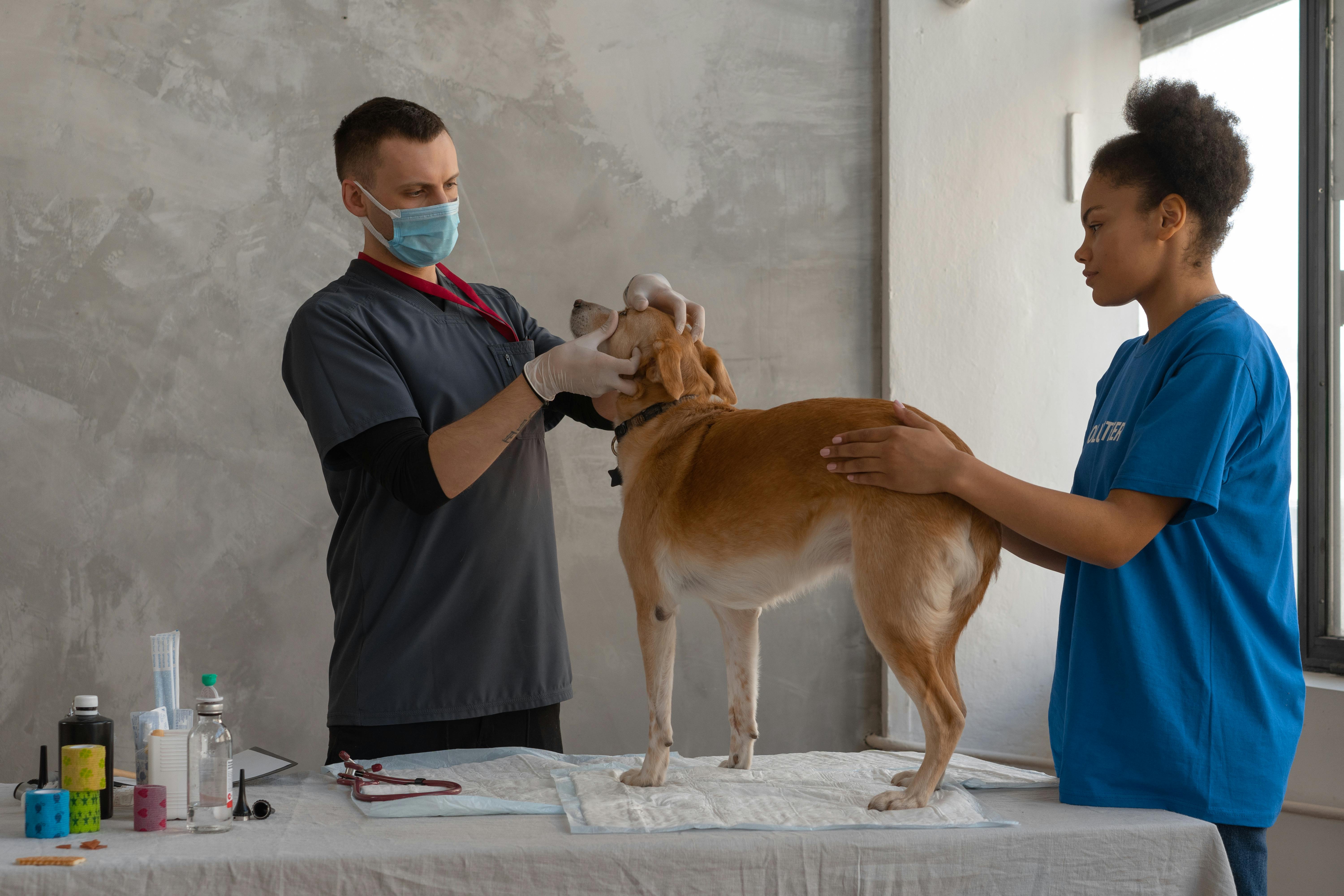
Once your pet is comfortably anesthetized, our veterinarians use specialized dental instruments to scale away plaque and tartar from each tooth, both above and below the gumline. We also perform a careful examination of every tooth and the surrounding tissues, looking for signs of decay, infection, or damage that may not be visible during a routine checkup. Dental radiography may be recommended if we suspect issues beneath the surface, such as root abscesses or bone loss. You can learn more about our advanced dental radiography services for pets on our website.
If any teeth are loose, fractured, or severely infected, our veterinary team will discuss extraction or repair options with you. After all cleaning and any necessary procedures are completed, your pet’s teeth are polished to smooth the surfaces and help prevent future plaque buildup. Your pet will be carefully monitored throughout the process and as they wake from anesthesia, ensuring their comfort and safety.
At-Home Dental Care and Prevention for Dogs and Cats
While professional pet dental cleaning is essential, ongoing home care makes a significant difference in your pet’s oral health between visits. Brushing your pet’s teeth regularly is one of the most effective ways to prevent plaque and tartar buildup. Using pet-safe toothpaste and a soft-bristled toothbrush designed for animals, aim to brush your dog or cat’s teeth several times a week. Some pets may need time to adjust to this new routine, so patience and positive reinforcement are key.
Dental chews, specialized diets, and water additives can also help reduce plaque formation and freshen breath. However, these methods should complement—not replace—professional dental care. Providing a variety of safe chew toys, especially for dogs, encourages natural cleaning action as they gnaw. For cats, dental treats and regular mouth checks are especially helpful. Monitoring your pet’s mouth for unusual odors, swelling, or changes in eating habits allows you to catch problems early. Remember, genetics and age may influence how often your pet needs dental cleaning, so discuss your pet’s individual needs with our veterinarians during wellness visits.
When to Seek Professional Dental Care for Your Pet
Knowing when to schedule a pet dental cleaning or seek veterinary attention is vital for your pet’s health. If you notice persistent bad breath, red or bleeding gums, visible tartar, loose or missing teeth, or any signs of pain around the mouth, it is time to contact our veterinary team. Sudden changes in eating habits, drooling, or swelling around the face are also important warning signs that should not be ignored. In some cases, untreated dental disease can lead to serious complications, such as infections that affect the heart, liver, or kidneys.
Routine dental cleanings, performed once a year or as recommended by your veterinarian, are the best way to stay ahead of dental disease. Even if your pet seems comfortable, yearly dental evaluations help identify hidden issues before they become painful or costly to treat. If your pet has already been diagnosed with dental disease or has had dental extractions in the past, more frequent follow-ups may be needed to maintain their health. To learn about our approach to pet tooth extractions, visit our website.
If you are searching for a "vet near me" in Titusville who can provide comprehensive dental care and guidance, Singleton Avenue Animal Hospital is here to support you with trusted advice and compassionate service.
Schedule Your Pet’s Dental Cleaning in Titusville, FL
Your pet’s smile is a window into their overall health and happiness. By prioritizing regular pet dental cleaning, you not only protect their teeth and gums but also help prevent systemic health problems that can arise from untreated dental disease. At Singleton Avenue Animal Hospital, our veterinarians are committed to providing gentle, thorough dental care for dogs and cats throughout Titusville and surrounding communities.
If you are concerned about your pet’s breath, notice changes in their eating habits, or simply want to keep their smile bright, we encourage you to schedule an appointment for a dental evaluation. Our team will answer your questions, recommend a personalized care plan, and support you every step of the way. To book your visit or learn more about dental cleaning services for pets, call us at (321) 269-3667 or stop by our hospital at 1335 N. Singleton Avenue, Titusville, FL 32796.
When you are searching for a veterinarian near me who truly cares about your pet’s oral and overall health, Singleton Avenue Animal Hospital is your partner in lifelong veterinary wellness. Schedule your pet dental cleaning today and let us help your companion enjoy a healthier, happier future.
This blog is intended for educational purposes only and does not replace professional veterinary advice. Always consult your veterinarian for specific concerns about your pet’s health.


.png)