What to Expect During an Electrocardiogram for Pets in Titusville

What to Expect During an Electrocardiogram for Pets in Titusville
Caring for your pet’s heart is a vital part of ensuring a long, healthy life for your furry family member. If your dog or cat is showing signs of heart trouble, or if your veterinarian recommends heart screening before a procedure, you might be wondering what an electrocardiogram (EKG or ECG) actually involves. At Singleton Avenue Animal Hospital, located at 1335 N. Singleton Avenue, Titusville, FL 32796, our veterinary team uses advanced pet heart health diagnostics to evaluate abnormal rhythms, monitor heart function, and support safe anesthesia for surgeries.
This guide will walk you through the purpose and process of an electrocardiogram for pets, how our veterinary professionals use EKG results to support your pet’s care, and what you can do to prepare your pet for the appointment. Whether you are searching for the best veterinarian near me or want to understand more about veterinary diagnostics in Titusville, you’ll find everything you need to know right here. For additional information about our EKG services, you can visit our veterinary electrocardiogram page.
Recognizing When Your Pet May Need Heart Health Diagnostics
Understanding when your pet might benefit from an electrocardiogram in Titusville is key to early intervention and effective treatment. Heart problems in pets can sometimes be subtle, but there are certain signs that should prompt a visit to your veterinarian. Key symptoms include coughing that persists or worsens over time, noticeable lethargy or reluctance to exercise, fainting or episodes of collapse, and rapid or irregular breathing. Additionally, you might observe your pet tiring easily on walks, showing restlessness at night, or experiencing swelling in the abdomen or limbs.
Pets with known heart murmurs, a history of fainting, or breeds predisposed to heart disease such as Boxers, Doberman Pinschers, or Maine Coon cats may be candidates for more frequent pet heart health diagnostics in Titusville. If your pet is scheduled for surgery, a pre-anesthetic EKG may be recommended to ensure their heart is healthy enough for anesthesia. The veterinary team at Singleton Avenue Animal Hospital can help determine if an electrocardiogram for pets is appropriate based on your pet’s examination and history.
Why Heart Conditions Develop in Pets
Heart disease in animals can have many causes, and understanding these can help pet owners feel more prepared. In dogs, inherited conditions such as dilated cardiomyopathy or valve degeneration are common contributors, especially in certain breeds. Cats may develop heart muscle diseases like hypertrophic cardiomyopathy, which often progresses without obvious symptoms until it becomes advanced.
Other factors that can play a role in the development of heart issues include age-related changes, chronic high blood pressure, thyroid imbalances, and even heartworm disease. In Florida’s mild climate, heartworm exposure is a particular concern, making regular heartworm testing and prevention essential for overall pet heart health diagnostics near me. Sometimes, medications for unrelated conditions can also affect the heart, highlighting the importance of routine wellness exams with a veterinarian near me who knows your pet’s full medical history.
What Happens During an Electrocardiogram for Pets in Titusville
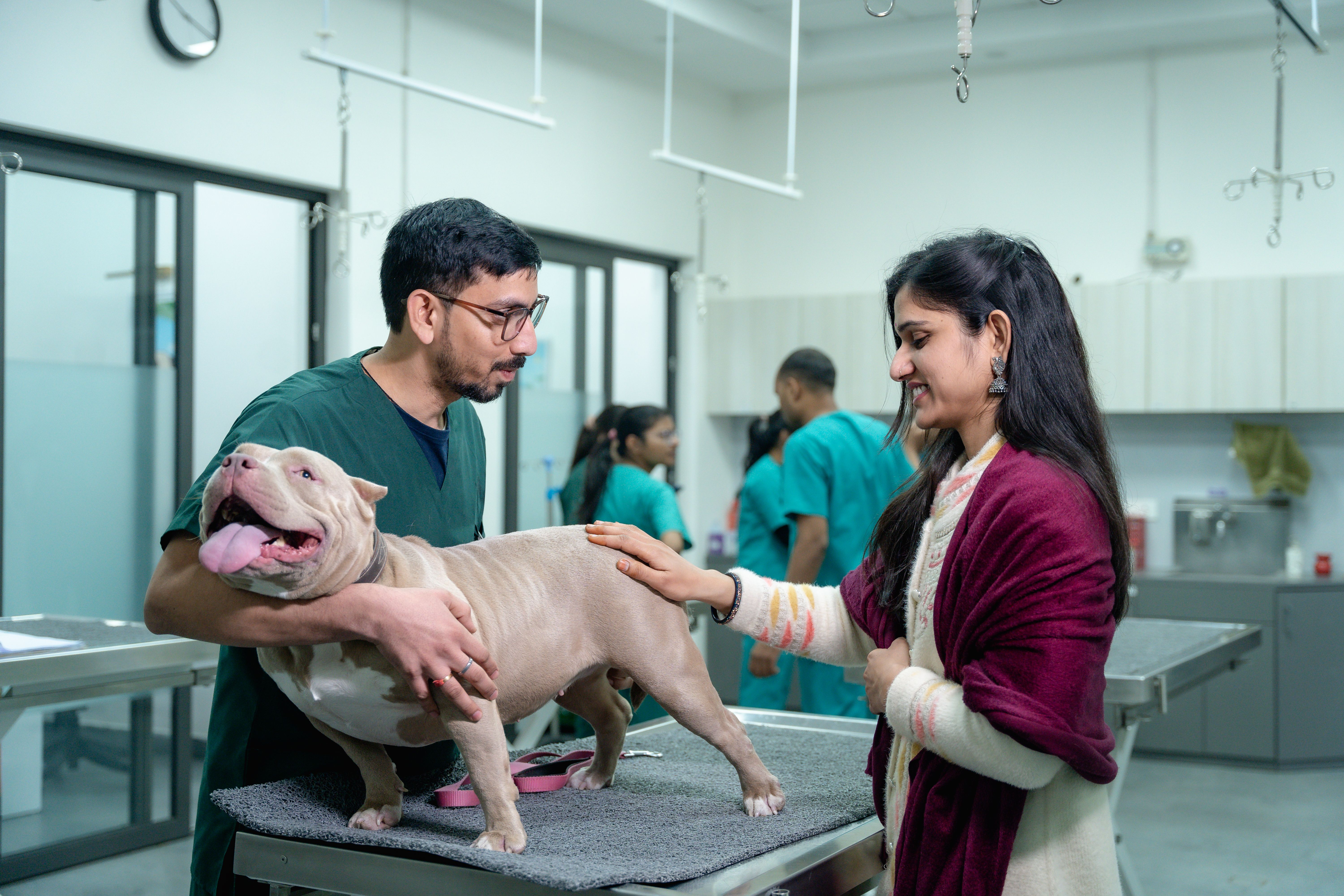
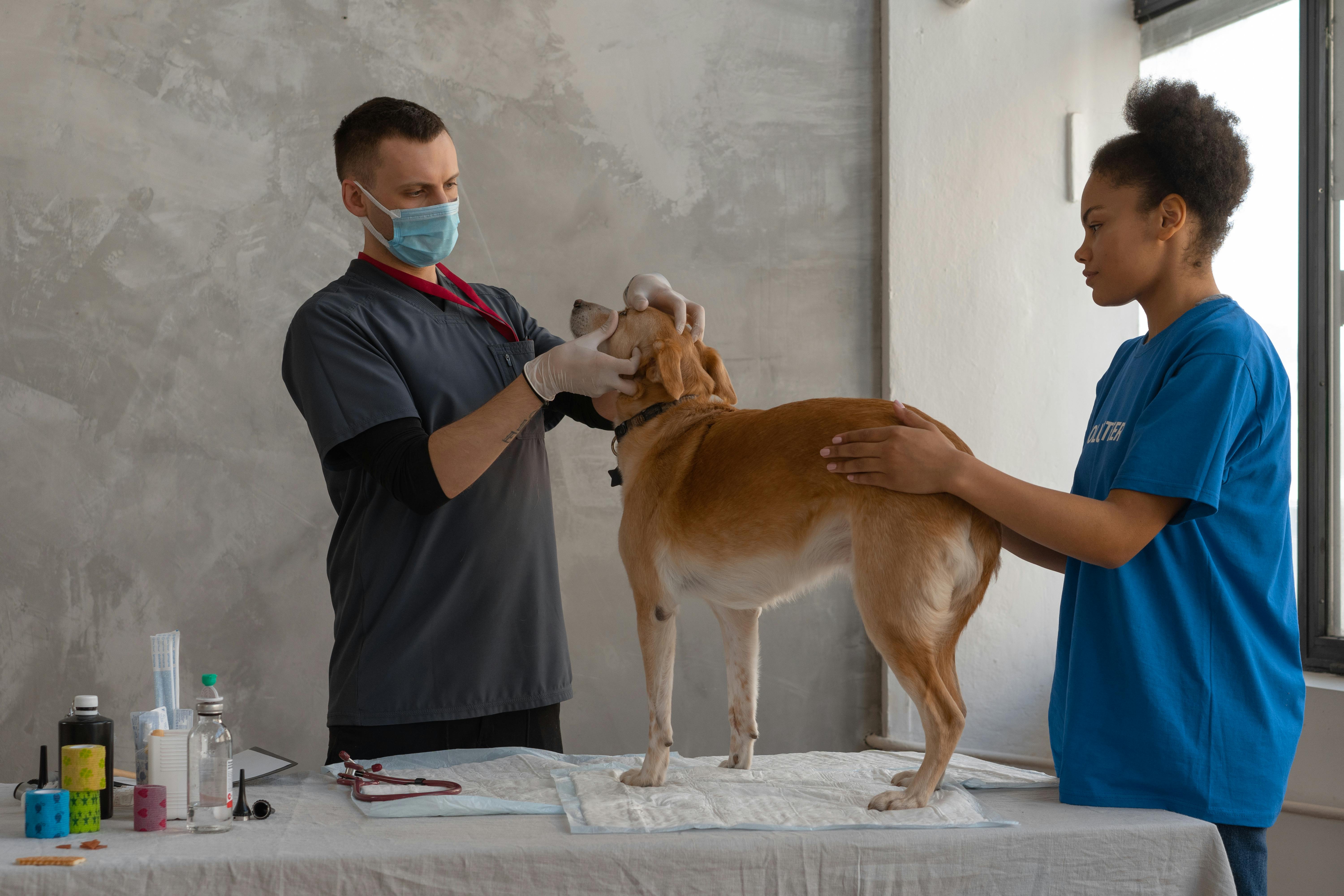
If your veterinarian recommends an EKG, knowing what to expect can help put your mind at ease. An electrocardiogram for pets is a safe, non-invasive procedure that captures the electrical activity of your pet’s heart. During your appointment at Singleton Avenue Animal Hospital, your pet will rest comfortably on a padded table or blanket. Small, painless electrodes are gently attached to specific points on your pet’s legs and chest. Most pets do not require sedation, and the test is typically completed within a few minutes, provided your pet remains calm and still.
The EKG machine records your pet’s heart rhythms and electrical impulses, which are displayed as waves on a screen or printout. Our veterinary professionals review these results to detect arrhythmias, abnormal heart rates, or conduction issues. This information is critical for diagnosing underlying heart conditions, guiding treatment decisions, and confirming it is safe to proceed with anesthesia for surgery. For pets undergoing complex procedures, such as those described on our pet surgery services page, EKG monitoring is an important part of the pre-operative workup to help ensure your pet’s safety.
How EKG Results Guide Veterinary Care
Once the electrocardiogram is complete, our veterinarians interpret the data to look for any irregularities. Abnormalities might include extra beats, skipped beats, or unusual patterns that indicate the heart’s electrical system is not working as it should. In some cases, further pet diagnostic laboratory services in Titusville, such as bloodwork or chest X-rays, may be recommended for a more comprehensive assessment. You can find more about these services on our diagnostic laboratory page.
Based on the EKG and any additional test results, a custom treatment plan is developed for your pet. This may involve starting medications to manage arrhythmias, making lifestyle changes such as adjusting exercise routines, or scheduling follow-up EKGs to monitor progress. If your pet’s abnormal rhythms are mild and not causing symptoms, your veterinarian may recommend periodic monitoring rather than immediate intervention. The goal is always to ensure the best possible quality of life and safety for your pet.
Helping Your Pet Prepare for Heart Health Testing
Preparation for an electrocardiogram for pets is generally straightforward, but a few steps can help ensure the process goes smoothly. On the day of the appointment, try to keep your pet calm and relaxed. Bringing a familiar blanket or toy can help reduce stress, especially for pets that are anxious in new environments. Avoid heavy exercise immediately before the test, as excitement or exertion can temporarily affect heart rhythms.
It can also be helpful to let your veterinarian know if your pet is particularly anxious or fearful during visits, as our team is experienced in gentle handling techniques and can work with you to keep your pet comfortable. If your pet is taking medication, continue as prescribed unless otherwise directed by your veterinary team. For pets that are especially wiggly or nervous, additional calming measures may be discussed during your visit.
Preventing Heart Disease: Steps for Pet Owners
While some heart conditions are genetic or age-related, there are important ways you can support your pet’s heart health at home. Regular wellness exams, including pet heart health diagnostics in Titusville, are essential for early detection of problems. Keeping your pet on a veterinarian-approved heartworm prevention program is crucial in Florida’s climate, as heartworm disease is a preventable but serious threat.
Feeding a balanced diet, maintaining a healthy weight, and ensuring your pet gets regular, moderate exercise will support overall cardiovascular health. Watch for any changes in energy, breathing, or appetite, and notify your veterinarian of concerns as soon as you notice them. Following recommendations for routine checkups with a quality vet near me can help catch subtle changes before they become serious health issues.
When to Schedule a Veterinary Visit for Heart Concerns
Knowing when to seek professional help is vital for protecting your pet’s health. You should schedule an appointment with our veterinarians if your pet displays persistent coughing, labored breathing, fainting, noticeable fatigue, or unexplained weight loss. These symptoms can indicate underlying heart disease or other medical conditions that require prompt attention.
If your pet has a history of heart disease, is a breed at increased risk, or is due for surgery, discuss the benefits of an electrocardiogram for pets with your veterinary team. Singleton Avenue Animal Hospital is committed to providing comprehensive pet diagnostics near me, ensuring your pet receives timely and thorough care.
For emergencies, always contact your veterinarian or an emergency hospital right away, as some heart symptoms can worsen quickly. Our veterinary professionals are here to answer your questions, provide guidance, and support you through every stage of your pet’s heart health journey.
Supporting Your Pet’s Heart: Trust Singleton Avenue Animal Hospital
Your pet’s heart health is too important to leave to chance. At Singleton Avenue Animal Hospital, our compassionate team is dedicated to providing advanced pet heart health diagnostics in Titusville and ongoing support for pets and their families. If you are concerned about your pet’s heart, need pre-surgical screening, or simply want peace of mind, we encourage you to call (321) 269-3667 or schedule an appointment for a comprehensive evaluation.
Our veterinary electrocardiogram services are designed to catch problems early and guide the safest possible care, whether your pet is coming in for routine wellness or more advanced surgery. Conveniently located at 1335 N. Singleton Avenue, Titusville, FL 32796, we proudly serve Titusville and surrounding communities with the expertise and compassion you expect from the best vet near me.
Take the next step in supporting your pet’s heart health—contact us today to schedule an appointment or learn more about our comprehensive pet diagnostic laboratory services in Titusville. Your pet’s wellbeing is our lifelong commitment.
Disclaimer: This blog is intended for informational purposes only and should not replace professional veterinary advice. Always consult your veterinarian for specific concerns regarding your pet’s health and before making any changes to their medical care. For more information about electrocardiogram for pets or to schedule an appointment, please reach out to Singleton Avenue Animal Hospital.


.png)