Recognizing Allergies in Pets: Springtime in Titusville, FL

Recognizing Allergies in Pets: Springtime in Titusville, FL
Springtime in Titusville brings beautiful blooms, milder weather, and a renewed sense of energy for both people and pets. However, as flowers blossom and pollen counts rise, many local pet owners begin to notice their dogs and cats scratching, licking, or sneezing more than usual. If your pet seems uncomfortable or is showing new signs of skin or respiratory sensitivity, spring allergies may be the culprit. At Singleton Avenue Animal Hospital, located at 1335 N. Singleton Avenue, Titusville, FL 32796, our team of veterinarians is dedicated to helping families throughout Titusville and surrounding communities recognize, diagnose, and manage pet allergies so every companion can enjoy the season in comfort. In this blog, we will explore how to identify allergy symptoms in cats and dogs, discuss the unique environmental factors affecting pets in our region, review available treatment options, provide actionable home care tips, and guide you on when to seek professional veterinary care. If you are worried about your pet’s springtime itching or sneezing, read on to learn how Singleton Avenue Animal Hospital can help.
Spotting the Signs: How to Recognize Allergies in Your Pet
Many pet owners wonder if their dog or cat’s extra scratching or licking is just part of normal grooming, or whether it signals something more serious. Allergies frequently appear in pets as skin discomfort or respiratory symptoms, especially during the spring months in Titusville. Key symptoms include persistent scratching, biting, or licking of the skin, which can sometimes lead to hair loss or red, irritated patches. Additionally, you might notice your pet shaking their head, rubbing their face on the carpet, or developing recurrent ear infections. Other signs to watch for are watery eyes, frequent sneezing, a runny nose, or even coughing. In some cases, digestive upset such as vomiting or diarrhea can occur if allergies are severe or if your pet is reacting to something they have ingested. For cats, over-grooming is a common indicator, while dogs may develop hot spots or patches of inflamed skin. If your pet is experiencing any of these symptoms, especially during the spring season, allergies could be the underlying cause.
When Is It More Than Just an Itch?
Occasional scratching is normal for most pets, but when itching becomes relentless or is accompanied by skin changes like redness, swelling, or sores, it is time to take action. Pay attention if your pet seems restless at night due to discomfort, starts losing patches of fur, or if their skin develops an odor. Chronic ear infections or repeated licking of the same spot are also red flags. If these issues persist for more than a few days or seem to worsen, it is wise to consult your veterinarian for a thorough evaluation.
Understanding Spring Allergies in Titusville’s Climate
Titusville’s subtropical climate creates unique environmental challenges for pets during the spring. The region’s mild temperatures, frequent rainfall, and abundant plant life mean that pollen and mold counts are often elevated from March through May. These allergens can easily trigger reactions in sensitive pets. Common causes of springtime allergies in cats and dogs include grass, tree, and weed pollens, as well as molds and dust mites that thrive in the warm, humid air. Additionally, fleas are more active as temperatures rise, and flea saliva is a major allergen for many pets. Environmental factors like freshly cut grass, blooming flowers, and increased outdoor activity can increase your pet’s exposure to these triggers. Indoor allergens, such as dust or houseplants, may also play a role, especially if windows are open more frequently during the pleasant spring months.
How Do Allergies Develop in Pets?
Allergies occur when a pet’s immune system becomes overly sensitive to substances that are normally harmless, such as pollen or dust. When exposed, the body releases histamines and other chemicals that cause inflammation and discomfort. Over time, repeated exposure can make symptoms worse or even lead to secondary infections. Some breeds, such as retrievers, terriers, and flat-faced cats, may be more prone to developing allergies due to genetic factors. Age can also play a role, with many pets showing their first signs of allergies between one and three years old.
Veterinary Diagnosis and Treatment Options in Titusville
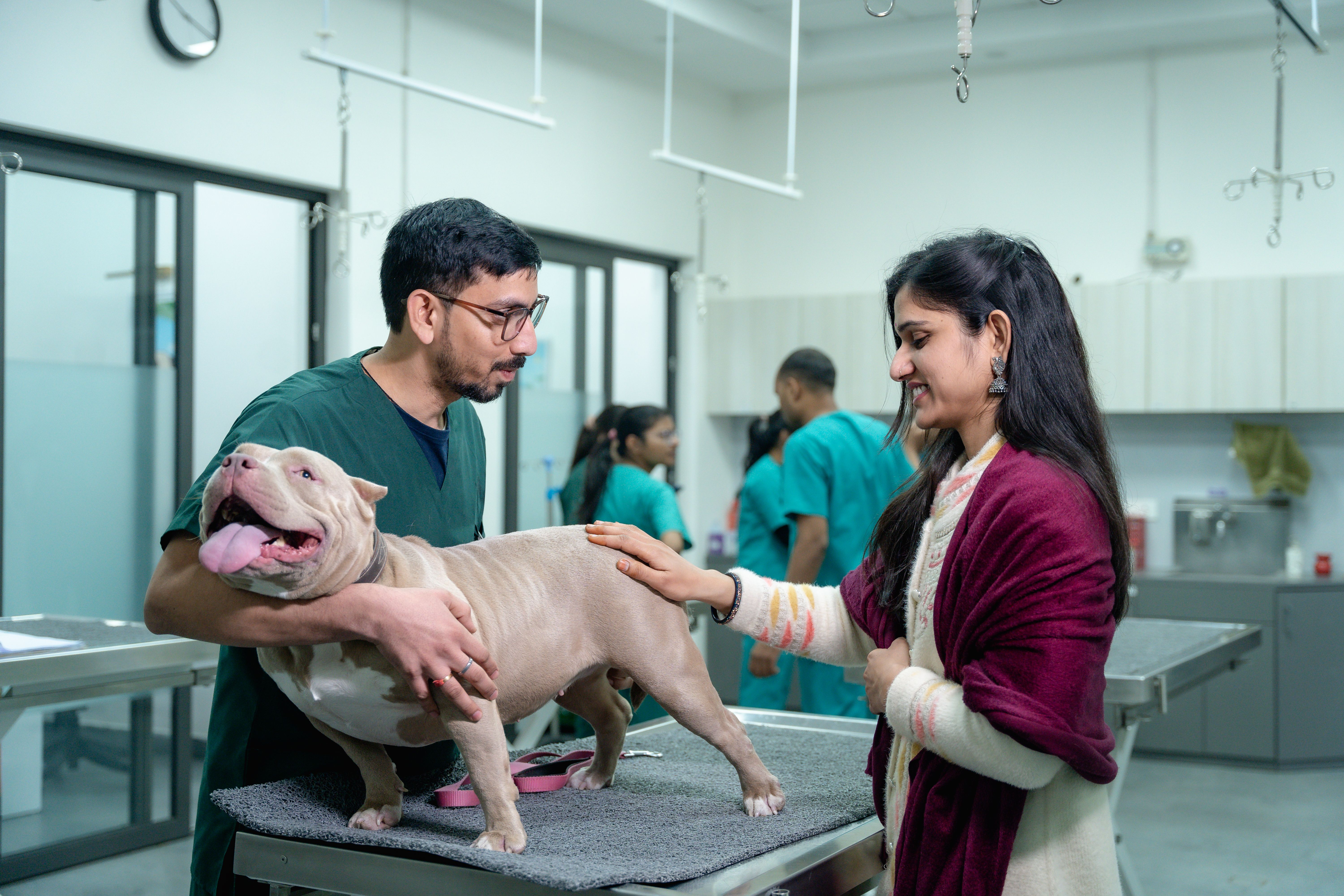
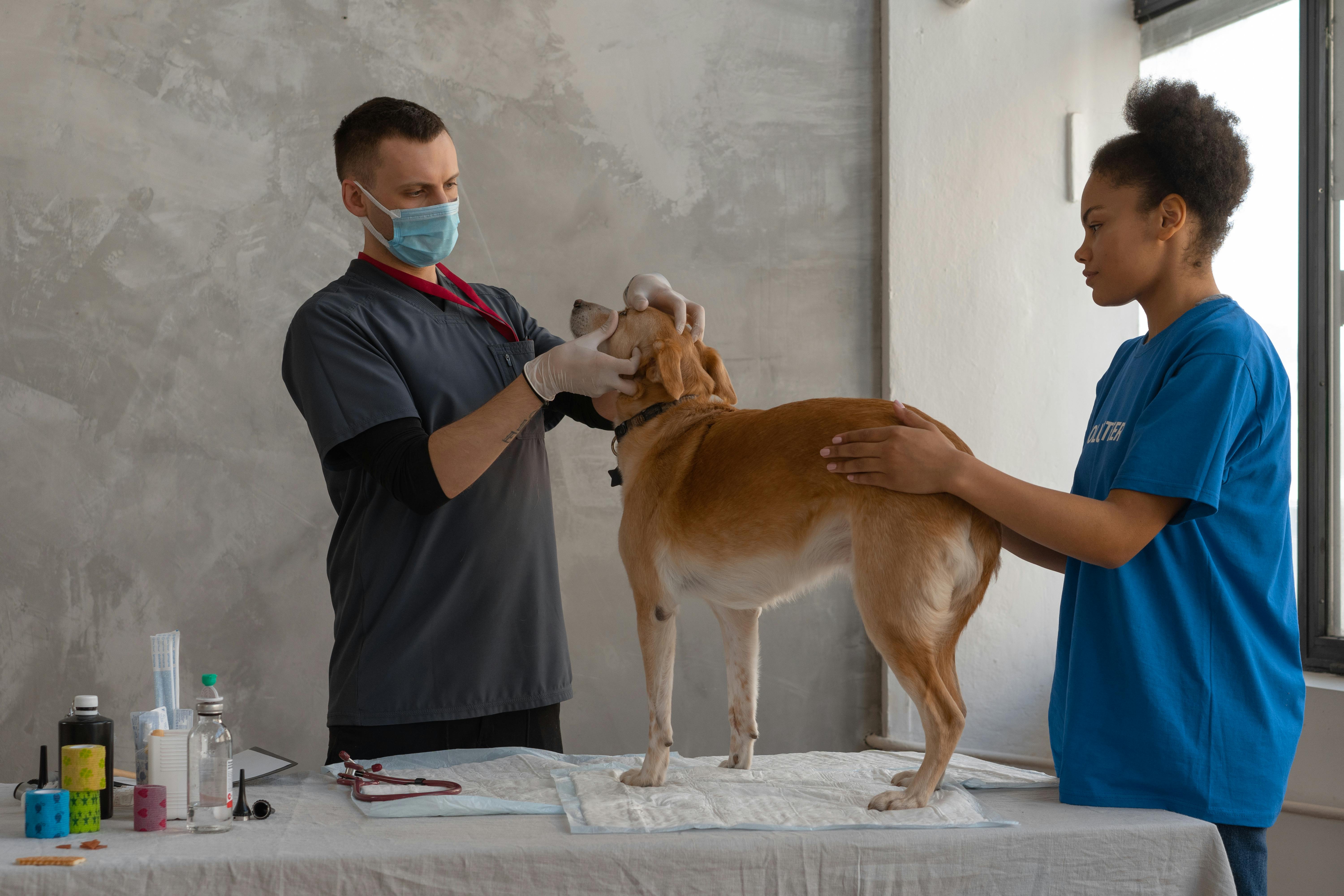
When your pet is suffering from allergies, a visit to Singleton Avenue Animal Hospital is the first step toward relief. Our veterinary team will perform a comprehensive examination to determine the underlying cause of your pet’s symptoms. Diagnosis often involves discussing your pet’s history, reviewing seasonal patterns, and ruling out other health conditions. In some cases, we may recommend specific tests such as skin scrapings, cytology, or blood work to check for infections or other contributing factors.
For pets with ongoing symptoms, allergy testing services can help identify the exact allergens affecting your dog or cat. This process may involve blood tests or intradermal skin testing, which are safe and effective ways to pinpoint triggers and formulate a targeted treatment plan.
Treatment approaches involve a combination of strategies tailored to each pet’s needs. For mild cases, antihistamines or anti-itch shampoos can provide relief. In more severe situations, prescription medications such as corticosteroids or immune-modulating drugs may be necessary to control inflammation and itchiness. If secondary infections are present, antibiotics or antifungal medications will be prescribed to restore skin health. For pets with flea allergies, a strict flea prevention program is essential. In some cases, immunotherapy (allergy shots) can gradually desensitize your pet to specific allergens, offering long-term improvement.
What to Expect During Your Visit
During your appointment at Singleton Avenue Animal Hospital, our veterinary professionals will carefully assess your pet’s symptoms, discuss your observations, and recommend appropriate diagnostics. We will explain each step of the process, answer your questions, and work with you to create a personalized treatment plan that fits your pet’s unique needs and your family’s lifestyle.
Home Care and Prevention: Supporting Your Pet Through Allergy Season
While professional veterinary care is essential for managing allergies, there are several steps pet owners can take at home to help reduce their pet’s discomfort and minimize exposure to allergens. Bathing your pet regularly with a gentle, hypoallergenic shampoo can help remove pollen and allergens from the skin and coat. Wiping your dog or cat’s paws and fur with a damp cloth after outdoor walks can also decrease the amount of pollen brought indoors. Keeping windows closed during high pollen days and using air purifiers can improve indoor air quality. Regularly washing your pet’s bedding, vacuuming carpets and furniture, and maintaining a clean environment will help lower dust and mold levels. For pets with flea allergies, using veterinarian-approved flea prevention year-round is critical. Adjusting your pet’s outdoor activities, such as avoiding grassy areas during peak pollen times or walking after rain when pollen counts are lower, can also be beneficial.
Nutritional Support and Supplements
A healthy diet can support your pet’s immune system and skin health. Omega-3 fatty acids, found in certain fish oils, may reduce inflammation and itchiness. Your veterinarian can recommend safe and effective supplements or dietary adjustments tailored to your pet’s needs. Never start new supplements without veterinary guidance, as some products may interact with medications or be unsafe for certain pets.
When to Seek Veterinary Care for Allergies
Knowing when to seek veterinary care is crucial for ensuring your pet’s health and comfort. If your pet’s itching, licking, or other symptoms persist for more than a week, are accompanied by hair loss or sores, or if you notice signs of infection such as redness, swelling, or discharge, schedule an appointment promptly. Sudden changes in breathing, frequent vomiting or diarrhea, or any sign of distress require immediate veterinary attention. Allergies can worsen quickly, especially if left untreated; early intervention is key to preventing complications and improving your pet’s quality of life.
Singleton Avenue Animal Hospital is here to provide comprehensive allergy diagnostics, treatment, and support for pets throughout Titusville and the surrounding area. Our allergy testing services are available to help pinpoint your pet’s triggers and create a customized management plan. If you are searching for a "vet near me" who truly understands springtime allergies in our region, our team is ready to help.
Supporting Your Pet’s Comfort: Contact Singleton Avenue Animal Hospital
Spring allergies can make life uncomfortable for both pets and their families, but with the right care and support, your furry companion can enjoy the season to the fullest. Recognizing symptoms early, understanding local allergy triggers, and working closely with your veterinary team are essential steps in managing your pet’s health. At Singleton Avenue Animal Hospital, we are committed to providing compassionate, expert care for dogs and cats facing seasonal allergies in Titusville.
If you notice your pet is scratching, licking, or sneezing more than usual this spring, do not wait for symptoms to worsen. Schedule an appointment with our veterinary professionals today by calling (321) 269-3667 or visiting our conveniently located clinic at 1335 N. Singleton Avenue, Titusville, FL 32796. For more information on our allergy care and diagnostics, explore our allergy testing services. We look forward to partnering with you to keep your pet healthy, happy, and comfortable all season long.
This blog is intended for informational purposes only and should not replace professional veterinary advice. If your pet is experiencing severe symptoms or distress, please contact your veterinarian immediately.


.png)