Itchy Pets: Identifying and Treating Skin Problems

Itchy Pets: Identifying and Treating Skin Problems
Is your pet constantly scratching or chewing at their skin, leaving you concerned and searching for answers? Skin problems are among the most common reasons pet owners in Titusville and surrounding communities seek veterinary care. From mild itchiness to persistent discomfort, skin issues can affect your pet’s quality of life and may even point to underlying health concerns. At Singleton Avenue Animal Hospital, located at 1335 N. Singleton Avenue, Titusville, FL 32796, our veterinary team understands the challenges local pet owners face, especially with Titusville’s mild yet sometimes humid climate that can trigger seasonal allergies and skin irritations.
This guide will help you recognize the signs of pet skin problems, understand what causes them, explore treatment options, and learn when to seek professional help. You’ll also discover how our comprehensive services—including advanced allergy testing and thorough pet examinations—can address the root cause of your pet’s discomfort and restore their wellbeing. If you’re searching for a quality vet near me or need pet skin care in Titusville, read on to find the answers and support you need.
Recognizing Signs of Pet Skin Problems
Understanding when your pet is experiencing a significant skin issue begins with attentive observation. Skin problems in dogs and cats can present in a variety of ways, but there are several hallmarks that should capture your attention. Symptoms include frequent scratching, licking, or chewing at their paws, belly, or base of the tail. You may also notice red or inflamed patches, small scabs, bald spots, or areas with thinning fur. Other warning signs are constant head shaking, the presence of dandruff or flaky skin, or an unpleasant odor coming from the skin or ears.
An itchy dog may also seem restless, sleep poorly, or act irritable due to persistent discomfort. In some cases, you might spot open sores, bleeding, or even pus if a skin infection has developed. Cats, on the other hand, can show increased grooming or may hide more than usual when their skin is irritated. If you observe any combination of these signs, especially if they are recurring or worsening, it is time to consider a wellness examination with our veterinary professionals in Titusville.
What Causes Skin Problems in Pets?
Pet skin problems stem from a variety of factors, and understanding the underlying cause is essential for effective treatment. The local climate in Titusville, with its warmth and humidity, can play a role in seasonal allergies and promote the growth of irritants like mold and pollen. Common causes include allergies, which may be triggered by environmental factors such as pollen, dust mites, or grasses, as well as reactions to certain foods. Parasites like fleas and mites are additional culprits, as even a single flea bite can set off an intense allergic reaction in sensitive pets.
Other contributors to skin issues are bacterial or fungal infections, which can occur when the skin barrier is broken from scratching or biting. Hormonal imbalances, such as hypothyroidism or Cushing’s disease, can also manifest as chronic skin irritation. There are cases where irritants from grooming products, household cleaners, or changes in diet can spark a flare-up. The prevalence of these issues in veterinary diagnostics in Titusville makes it important to seek a comprehensive evaluation from a vet near me with experience in local conditions.
Professional Treatment and Management for Itchy Pets
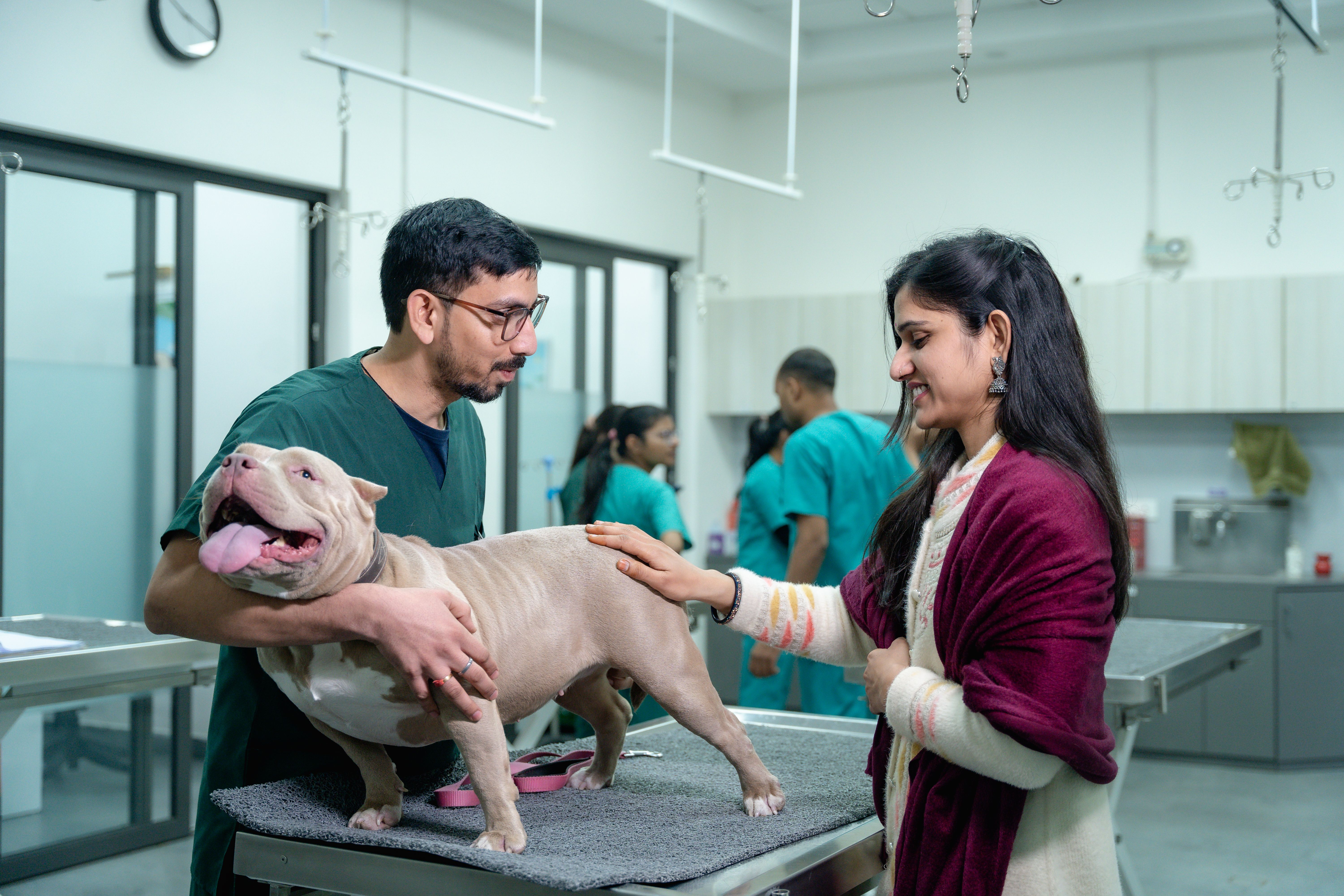
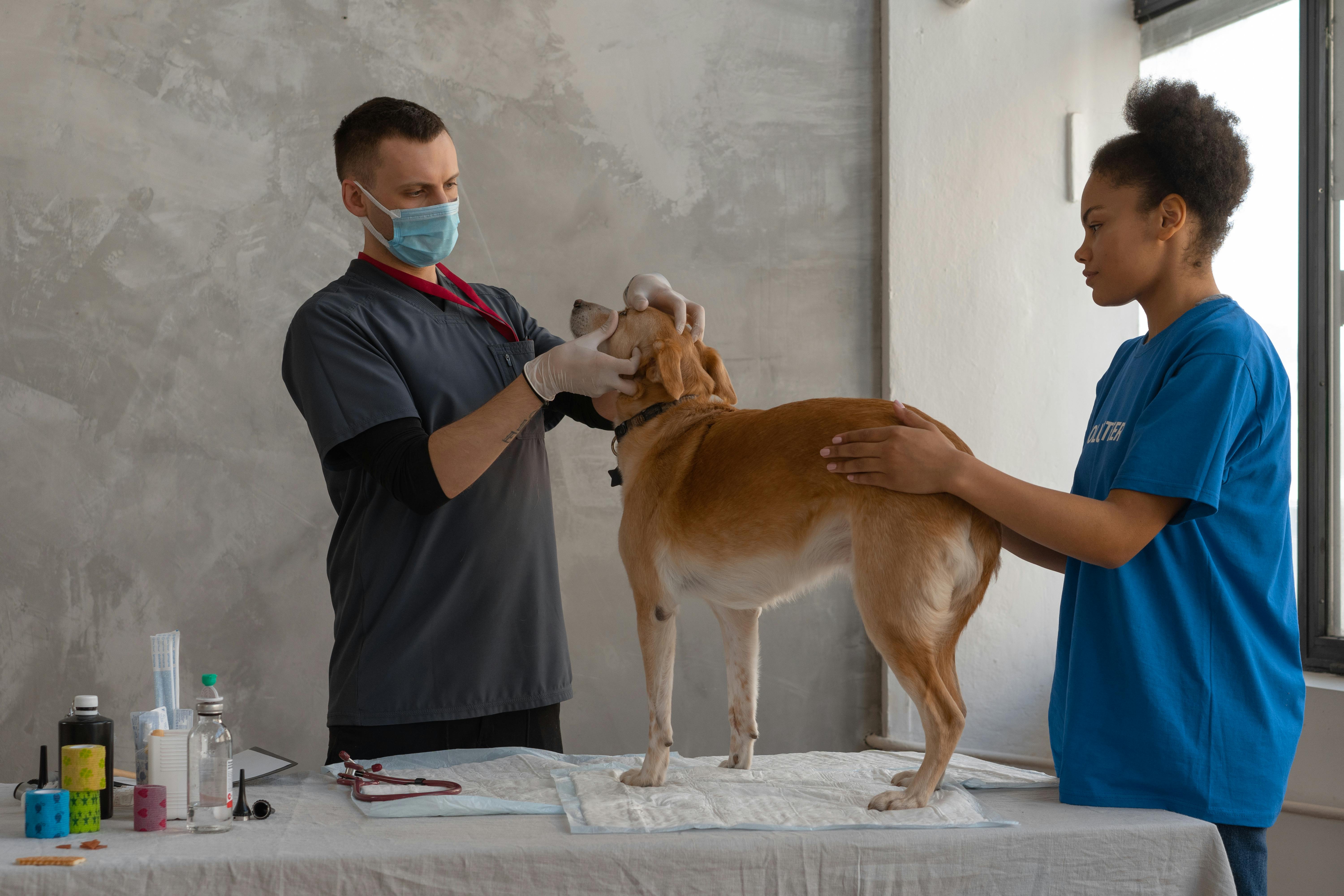
When your pet is suffering from persistent itchiness or skin irritation, professional intervention is the most reliable path to relief. The first step is a thorough physical examination, during which our veterinarians will assess your pet’s skin, coat, and overall health. Depending on the findings, we may recommend specialized allergy testing to pinpoint specific triggers, or utilize our in-house pet diagnostic lab for additional insights into infections or underlying metabolic issues.
Treatment approaches for pet skin problems in Titusville can involve a combination of targeted therapies. For allergies, options may include hypoallergenic diets, medicated shampoos, or prescription medications that reduce inflammation and soothe the skin. If parasites are identified, prompt flea and tick treatments are essential to eliminate the source of irritation. Bacterial and fungal infections are typically managed with appropriate antibiotics or antifungal medications, always tailored to your pet’s specific diagnosis.
In cases where skin problems are linked to hormonal or systemic diseases, addressing the primary condition is paramount. Our veterinary team will guide you through every step, ensuring you understand your pet’s treatment plan and what to expect in terms of recovery. With our comprehensive pet skin care in Titusville, we strive to resolve both the symptoms and the underlying causes for long-term comfort.
Prevention and Home Care Tips to Keep Your Pet Comfortable
While some causes of itchy skin are unavoidable, there are practical steps you can take at home to minimize your pet’s risk and support ongoing skin health. Regular grooming removes loose hair, dirt, and potential allergens from your pet’s coat, and bathing with veterinarian-recommended shampoos can help soothe existing irritation. For pets with known allergies, keeping your home environment clean by vacuuming frequently and washing bedding can reduce exposure to dust and pollen.
Another key to prevention is maintaining a consistent flea and tick control program, particularly in areas like Titusville where mild winters allow parasites to thrive year-round. Feeding a balanced diet rich in essential fatty acids supports skin resilience, while monitoring for changes in your pet’s behavior or appearance can help catch problems early. If your pet has experienced skin issues in the past, working with a veterinarian near me to develop a personalized prevention plan is the best way to stay ahead of recurrences.
When to Seek Veterinary Care for Your Pet’s Skin Problems
Knowing when to reach out for professional help is critical to preventing minor irritations from developing into more serious conditions. You should schedule an appointment with our veterinary team if your pet’s scratching or licking persists for more than a few days, if you see hair loss or open sores, or if there is swelling, bleeding, or discharge from the skin. Additionally, sudden changes in behavior, such as lethargy, loss of appetite, or increased hiding in cats, warrant prompt evaluation.
Chronic or severe skin problems may indicate underlying health concerns that require diagnostics and tailored treatment. The earlier you involve our veterinarians, the sooner your pet can find relief and avoid complications. For comprehensive pet diagnostics near me or to discuss itchy dog solutions in Titusville, our experienced veterinary professionals are here to help.
Your Partner in Pet Skin Health: Singleton Avenue Animal Hospital
Persistent scratching and skin irritation can be distressing for both you and your pet, but finding answers and relief is possible with compassionate, expert care. At Singleton Avenue Animal Hospital, our veterinarians are dedicated to identifying the root cause of your pet’s skin problems and providing individualized treatment plans that work for your family. Whether your pet needs advanced allergy testing, a thorough pet diagnostic lab evaluation, or a routine wellness examination, we are here to support every step of your pet’s journey toward healthy skin.
If you are searching for the best veterinarian near me or need pet skin care in Titusville, we invite you to schedule an appointment with our friendly team. Call (321) 269-3667 or visit us at 1335 N. Singleton Avenue, Titusville, FL 32796 to experience the difference that local, personalized care can make. Together, we can help your pet enjoy a comfortable, itch-free life.
This article is for informational purposes only and does not replace professional veterinary advice. Please consult our veterinary team for specific guidance regarding your pet’s health concerns.


.png)